

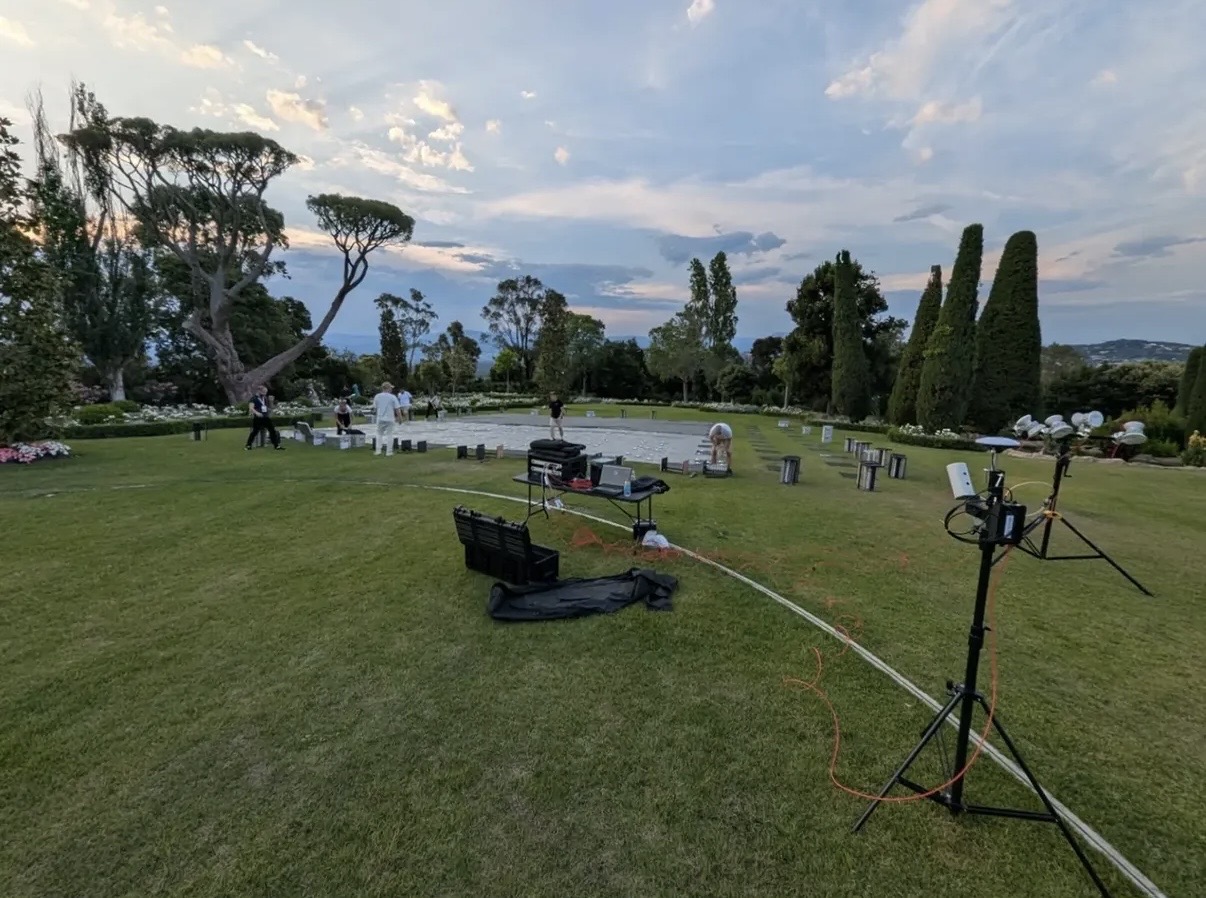
Today, the profession of drone pilot, or professional drone pilot, is much more than a technical activity. In the field of drone shows, it’s a hybrid role combining technology, precision and artistic flair.
At Stellair, each show relies on the coordinated work of specialized teams: engineers, 3D choreographers and experienced drone pilots. Together, they bring to life unique visual creations that light up the sky.
Discover our services Stellair Show on our dedicated page
What is a drone pilot?
A drone pilot is a professional trained to pilot drones in specific contexts: audiovisual, industrial inspection or synchronized light shows.
In drone shows, the pilot doesn’t just fly a single aircraft. He supervises entire fleets of up to several hundred drones, executing trajectories programmed with millimetric precision.
Main tasks include :
- Preparing drones before each flight
- Check electronic systems and software
- Supervise synchronized takeoffs
- Ensuring air safety
- Ensuring the show runs smoothly
- Act quickly in the event of an anomaly
To understand how a show is conceived, read our article
A profession combining technology and creativity
Contrary to popular belief, the drone pilot ‘s job is as much artistic as it is technical.
Each show begins with a visual design phase using 3D software. The pilots then collaborate with the digital choreographers to transform these animations into real-life trajectories.
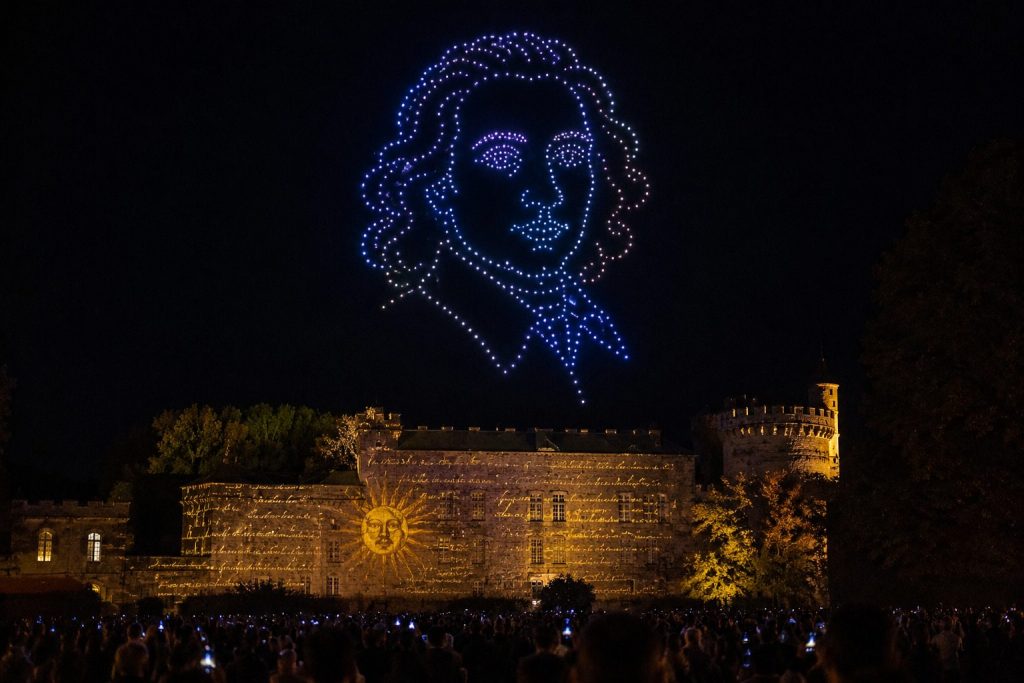
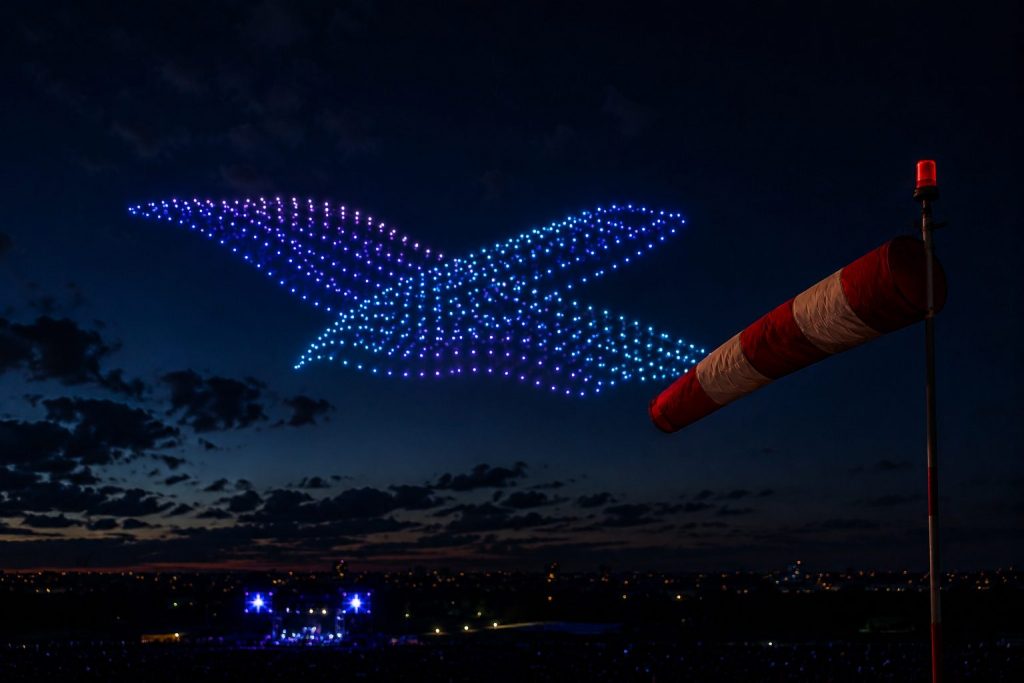
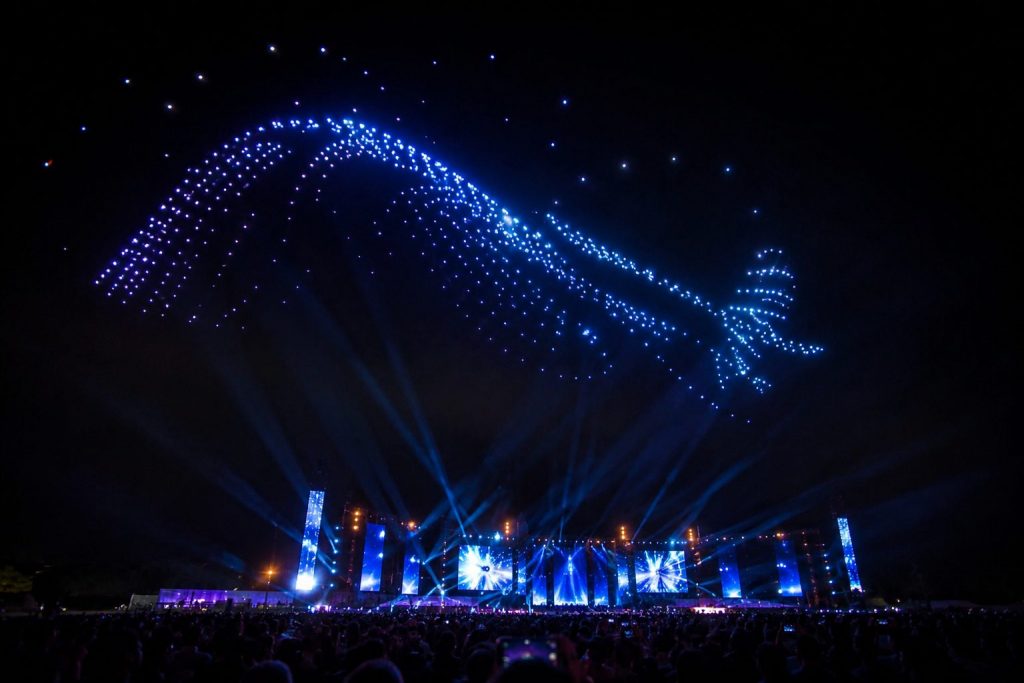
This process creates impressive shapes:
- Giant animals in the sky
- Company logos
- Animated characters
- 3D volumetric effects
- Light panels synchronized to music
Discover some of our achievements on our
The skills you need to become a drone pilot
The drone pilot profession requires a combination of technical and human skills.
Mastery of piloting and embedded systems
A professional pilot must include :
- How drones work
- GPS and inertial systems
- Radio communications
- Batteries and power supply
- Safety protocols
In drone shows, managing radio communications and synchronized systems is essential to guarantee fleet stability.
Knowledge of aviation regulations
In France and Europe, professional piloting is subject to strict regulations.
In particular, the drone pilot must :
- Respecting the rules of the air
- Obtain the necessary authorizations
- Prepare technical files
- Ensuring public safety
These requirements are particularly important for public and private events.
Discover our solutions for events
Artistic flair and creative vision
In the field of light shows, the pilot must also have :
- Good visual perception
- A sense of timing
- Musical understanding
- An aesthetic vision
Because behind every trajectory is an artistic intention.
It’s this combination that transforms simple technology into a veritable visual work of art in the sky.
The role of the drone pilot in a drone show
A drone show is a complex project involving several key stages.
The drone pilot intervenes at each stage.
Phase 1: Technical preparation
Before the show, the drivers :
- Check every drone
- Control batteries
- Test communications
- Validate flight parameters
This stage can take several hours, especially for shows involving several hundred drones.
Phase 2: Testing and rehearsal
Before the official launch, rehearsals are carried out to check :
- Trajectory precision
- Light synchronization
- Artistic consistency
- Global safety
These tests guarantee smooth, spectacular rendering.
Phase 3: real-time supervision
During the show, the :
- Monitor flight data
- Control drone stability
- Respond to the unexpected
- Guarantee public safety
Even if the drones are programmed in advance, constant human supervision remains essential.
Close collaboration with the creative teams
The drone pilot never works alone.
He collaborates with :
- 3D designers
- Software engineers
- Artistic teams
- Safety managers
This collaboration transforms an idea into a real show.
At Stellair, this synergy enables us to create immersive shows that leave a lasting impression on audiences.
See also our article on a major achievement
Why the drone pilot profession is booming
With the rise of light shows and immersive events, the demand for qualified pilots continues to grow.
Several factors explain this growth:
- Development of visual events
- Research into ecological alternatives to fireworks
- The growing popularity of illuminated drones
- Constant technological innovation
Today, drone shows are used for :
- Festivals
- Sports events
- Official ceremonies
- Brand launches
- Amusement parks
Find out how to integrate a show into your event
Drone pilot: a job with a future
The drone pilot profession is evolving rapidly thanks to technological advances.
Current innovations include :
- More autonomous drones
- Advanced navigation systems
- Enhanced lighting effects
- Complex 3D training
In the coming years, drone shows are set to become even more immersive, incorporating :
- Advanced volumetric effects
- Audience interaction
- Multi-media synchronization (light, music, video)
This profession offers significant career prospects, particularly in the artistic and events fields.
A profession at the crossroads of art and technology
The drone pilot profession perfectly embodies the meeting of technological innovation and artistic creation.
In the field of light shows, it plays an essential role in guaranteeing the precision, safety and beauty of aerial animations.
At Stellair, each show is the result of close collaboration between pilots, engineers and artists, giving birth to unique creations that amaze audiences.
Discover our services or imagine your future show.